





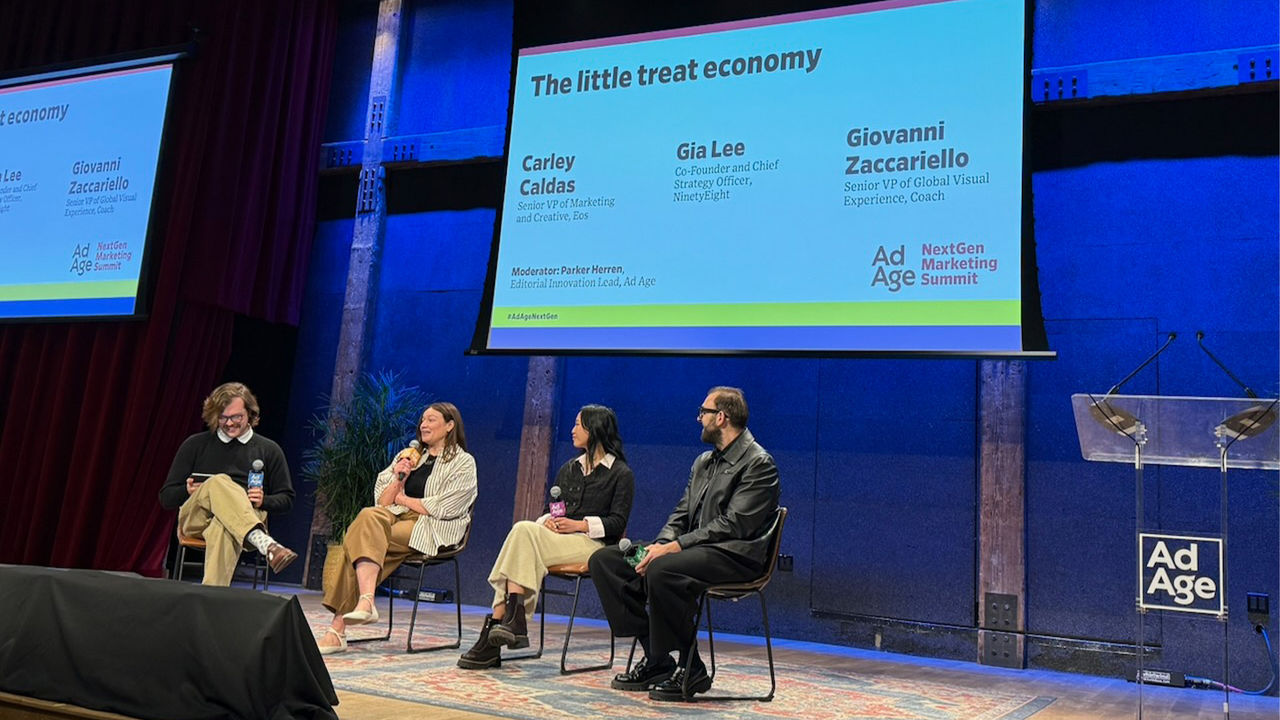


How do Gen Z and Gen Alpha actually form brand preferences? Where do they discover products, build loyalty, and make purchasing decisions? And how much of what we think we know about them is still true in 2026? The AdAge NextGen Marketing Summit brought brand leaders, marketing experts, platform executives, and creators to New York City earlier this month, all circling these questions from different angles. After nine sessions and two days, a pattern emerged. The infrastructure of how young people make decisions, form identity, and build brand relationships has shifted. Quietly, permanently, and faster than most marketing playbooks account for.
Here are five signals worth watching.
1. The Private Feed
70% of Gen Z engagement on Instagram now happens through DMs and private story replies. TikTok brand shares are up 60% quarter over quarter while follower growth dropped 27% in the same period. The platforms aren't fighting this migration to private channels. They're rebuilding around it, adding repost features and shareable feeds to capture behavior that already moved.
The reason is structural. Algorithm fragmentation means two people following the same accounts see completely different content. Shared culture now requires actively sending things to each other. The group chat is where recommendations happen, opinions form, and content either lives or dies. Church's Chicken understood this when they ran an ASMR campaign with no product shots and no logos, just the crunch of chicken skin and pepper hitting the surface. It worked because it was strange enough to text to a friend. That's the creative test now: not whether people will engage, but whether someone will interrupt their friend's day to send it.
For media strategy, the implication is clear. The metrics most plans are built around measure the shop window while the actual conversation happens somewhere you can't see – the frame of reference needs to shift.
2. The IRL Premium
Digital fatigue has been a talking point for years. What makes 2026 different is that someone built the rooms for it. Yondr has turned phone-free spaces into an actual business, with bars and restaurants generating waitlists by promising disconnection. Netflix, the company that disrupted physical media, is now building physical venues where visitors eat cuisine from their shows and walk through recreated sets. Coach turned stores into coffee shops where dwell time exceeds traditional retail by a wide margin.
The numbers tell a consistent story. 83% of Gen Z actively want to reduce phone usage. 79% of 18-to-35 year olds plan to attend more live events this year, and nearly a quarter of them report feeling lonely. AI is accelerating the push: 40% of young people say they see more AI-generated content than real content in their feeds. The less trustworthy digital spaces feel, the more premium physical presence becomes. Add to that 70% of Gen Z collecting tangible objects to express identity, from band tees to vinyl to disposable cameras, and the picture is clear. The millennial minimalism era is over. Physical is appreciating in value while digital inflates against shrinking trust.
3. Build With, Not For
54% of Gen Z say their favorite brands make them feel like part of a community. Not satisfied. Not loyal. Part of it. That word does different things to a marketing plan than the other two.
The brands growing fastest with this generation share a common trait: they gave up control. Sincerely Yours, a skincare brand co-founded by YouTube father-daughter duo Jordan and Salish Matter, runs a 70,000-person feedback loop via direct text messaging. They expected 1,000 people at their launch event, 80,000 showed up. The NHL runs a youth advisory board called Power Players that shapes actual league strategy, content direction, and community initiatives. In both cases, the audience stopped being a target and became a collaborator. The feedback format changed with them: DMs and texts replaced surveys, always on instead of quarterly. The brief should be informed by the culture, not the other way around.
4. Personal Operating Systems
40% of Gen Z say anime is core to their identity. Not something they watch on weekends. Something that shapes how they dress, who they befriend, what music they listen to, and which brands they care about. That level of integration is what separates casual consumption from identity infrastructure.
Crunchyroll built an entire business around that distinction. They serve the anime community across streaming, merchandise, live events, and manga, with a philosophy of being everything to someone rather than something for everyone. It works because anime, for its audience, operates the way religion or political affiliation did for previous generations: as a framework for belonging, taste, and self-expression.
And the pattern extends far beyond anime. 91% of 18-to-25 year olds say mainstream pop culture no longer exists. Everyone assembled their own version instead, from astrology (2,000% increase in "zodiac dynamics" searches on Pinterest) to fitness communities to music subcultures that Spotify detects years before they go mainstream. These are modular, self-assembled operating systems for navigating life, built outside the institutions that stopped working for this generation. The shift from brand loyalty to fandom is the mechanism underneath: loyalty is transactional (I keep buying), fandom is identity (I am this). Brands inside someone's operating system occupy a fundamentally different position than brands on a shelf. And these systems are generational. They get passed down, not phased out.
5. The Little Treat Economy
69% of Gen Z live paycheck to paycheck. 39% actively seek novelty and fun even in everyday products. Those two numbers sit uncomfortably next to each other, and that dissonance is the trend.
A generation is forming brand preferences years before they can afford the core product. Coach understood this and built a full spectrum: digital Tabby bags on Roblox for under a dollar, coffee shops with affordable drinks for a few dollars, book charms at $99, the actual bag at $400+. Every price point carries full brand equity. None of them are discounts. They're relationship infrastructure at a price where nobody needs permission to buy. Eos took a different angle: they repositioned applying lip balm and body lotion as micro-luxury self-care rituals, and when their community asked for plushies, they made plushies. The product line follows the community, not the other way around.
Meanwhile, Gen Alpha is entering the picture with force. Sincerely Yours, the skincare brand built with its young audience, sells exclusively through Sephora with every product priced under $30, deliberately designed to be affordable for teenagers spending their own money. 42% of Gen Alpha parents say their children influence household spending, and the oldest Gen Alpha turn 16 this year. For this generation, the store visit is entertainment first and shopping second. Brand preference forms years before the wallet catches up. The smartest brands designed the entry point accordingly and are measuring in years, not quarters.
Five signals. One pattern.
A generation built their own systems for identity, decisions, community, and joy. Those systems work. They weren't designed with brands in mind.
Conversations went private. Trust moved to communities. Buying starts smaller and earlier than ever. All of it is reachable, if you know where to look. Where decisions happen changed. The brands that recognized it early got a head start. The rest still have time. But the systems keep evolving, and they won't wait.
About Mediaplus
Mediaplus is one of Europe's largest independent media agencies and a member of the House of Communication — an integrated communications network headquartered in Munich. Founded in 1983, the agency group today brings together approximately 2,200 specialists across more than 20 international locations in Germany, Austria, and Switzerland, as well as markets in Asia and North America. Its service portfolio encompasses Media Strategy & Innovation, Media Planning & Buying, Data & AI, Performance Marketing, Advertising Technologies, and Commerce & Retail Media. Through its group-wide AI framework, House of AI, Mediaplus combines proprietary data models with deep market expertise to deliver measurable brand growth for its clients. Mediaplus has been consistently recognized in the WARC Media 100 ranking and the RECMA Quality Ranking as a leading independent media agency, and in 2026 was named Media Agency of the Year at the Deutscher Mediapreis for the fifth time.


