





The countdown to Brazil has begun, and with it a familiar choreography. Attention climbs, sponsors take up their positions, coverage thickens – and then, once the final whistle goes, it recedes. For women's football, this rhythm has long been the rule: a major tournament, a record, a brief window of cultural visibility, and then back to the ordinary.
2027 may not follow the script.
Not because the tournament will be bigger – it will be – but because something more structural has shifted in the years in between. The interesting thing about women's football right now is not its scale but its state: it is one of the few institutions in modern sport still soft enough to be shaped. Its conventions, its governance, its commercial logic are unfinished. That is a rare and closing window. In the men's game, almost everything is inherited; here, much of it is still a design choice. And design choices have authors.
The alternatives are already visible. When Angel City FC launched in 2020, it built in a model that remains unusual in established sport: 10% of sponsorship revenue directed to community programmes, 1% of ticket revenue and 10% of shirt sales shared with the players. You don't have to copy that particular structure to take the point. Where the architecture is still a choice, someone is deciding whose game this becomes.
For brands, that reframes the real question – from "which inventory do I buy?" to "which system am I helping to build?" It is the question at the centre of a new zine from Monarch Collective and Serviceplan Culture, out now. Four of its eleven arguments are usefully uncomfortable for anyone holding a marketing budget.
?qlt=85&ts=1789472218924&dpr=off) © Angel City FC
© Angel City FC
1. Women's football needs its own media grammar.
The audience is not the same audience: the overlap between women's and men's match attendance is often below 20%. A strategy ported over from the men's game misses. SPORTFIVE's 2025 research found that 76% of fans feel the sport is under-covered, and, as former World Cup winner Christen Press puts it, coverage has largely been "a copy-paste of what men built". The implication for brands is to co-create formats, not rent slots in inherited ones.
2. A full stadium does not mean more fans.
Eventisation works: move a fixture into a big arena, add the production and the spectacle, and the crowd arrives. But the festival crowd and the football community are not the same people. That is precisely the tournament trap. Brazil 2027 will fill stadiums and screens. The more useful question is who is still there afterwards.
3. The clubs with the deepest heritage do not automatically hold the advantage.
A club founded today has something the legacy institutions cannot easily replicate – a blank constitution. It can decide what it is for, and who it is for. Heritage, the paper argues, buys attention, not belonging; and belonging has to be earned regardless.
4. The authenticity that makes women's football attractive is a non-renewable resource.
It collapses the moment it is treated as a conventional media plan. Brands that arrive opportunistically burn the very asset they came for.
 © Angel City FC
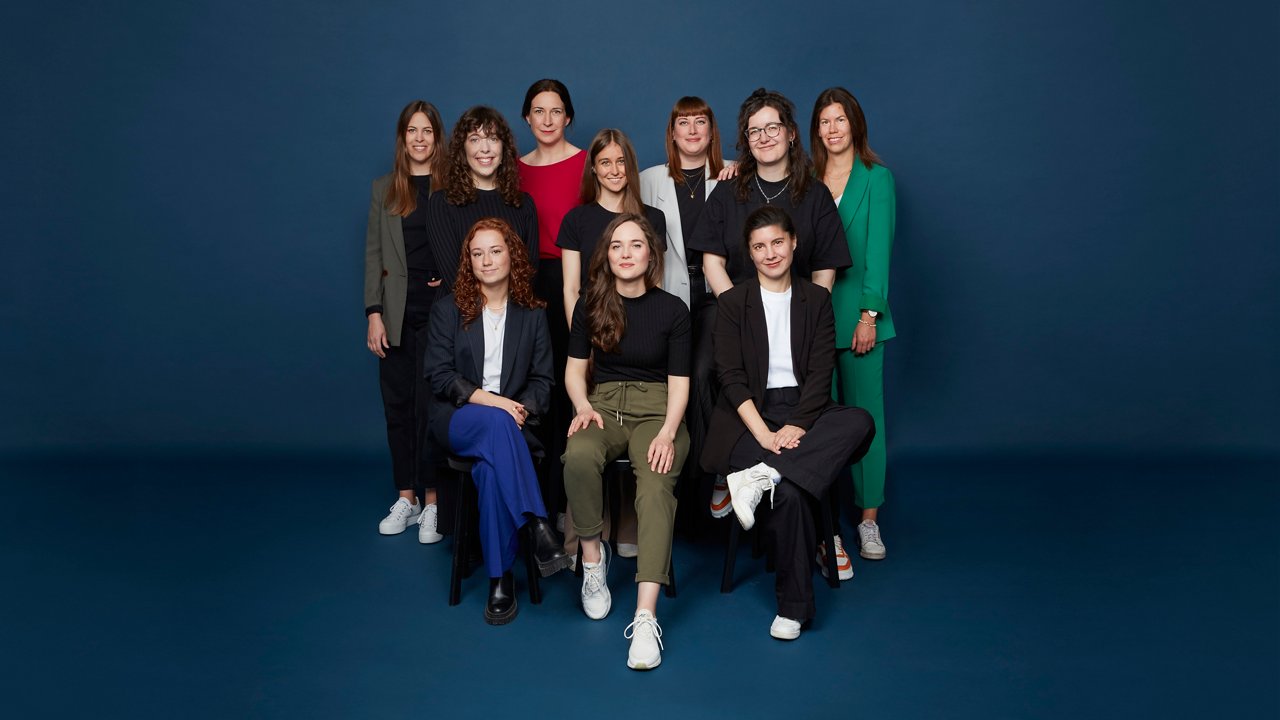
That these are neither pure marketing theses nor detached business analysis is the point. The paper is written from two vantage points. Monarch Collective brings a global perspective on investment, ownership, growth and the commercial infrastructure of women's sport. Serviceplan Culture brings cultural strategy, brand-building, fandom and community intelligence. Read together, they treat women's football not as a sport or a sponsorship platform but as a growing cultural and commercial space.
"Whose Game Is It Going To Be?" is published to coincide with the opening week of the league phase of the UEFA Women's Champions League and the STANDS Conference in Hamburg. The timing is deliberate: European club football opens a new season just as the countdown to Brazil begins. It is not a report; it contains no forecasts dressed as facts. It is a set of arguments meant to provoke a better conversation – and its authors are refreshingly plain about the risk they are taking: they would rather be usefully wrong than safely vague.
Brazil 2027 will create attention. The more interesting question is what remains when the attention moves on. That is where the paper – and our collaboration – begins.
About the Authors
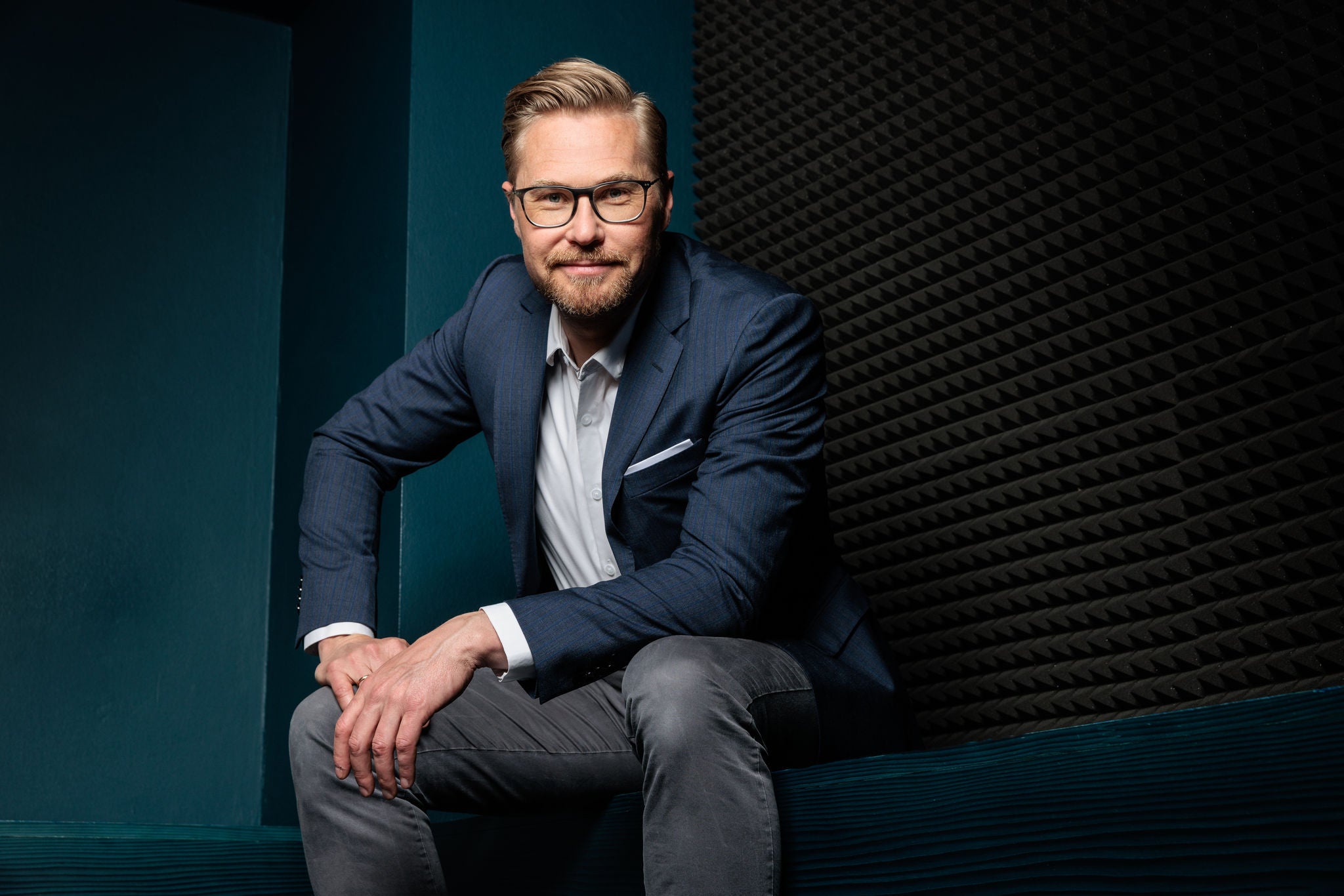
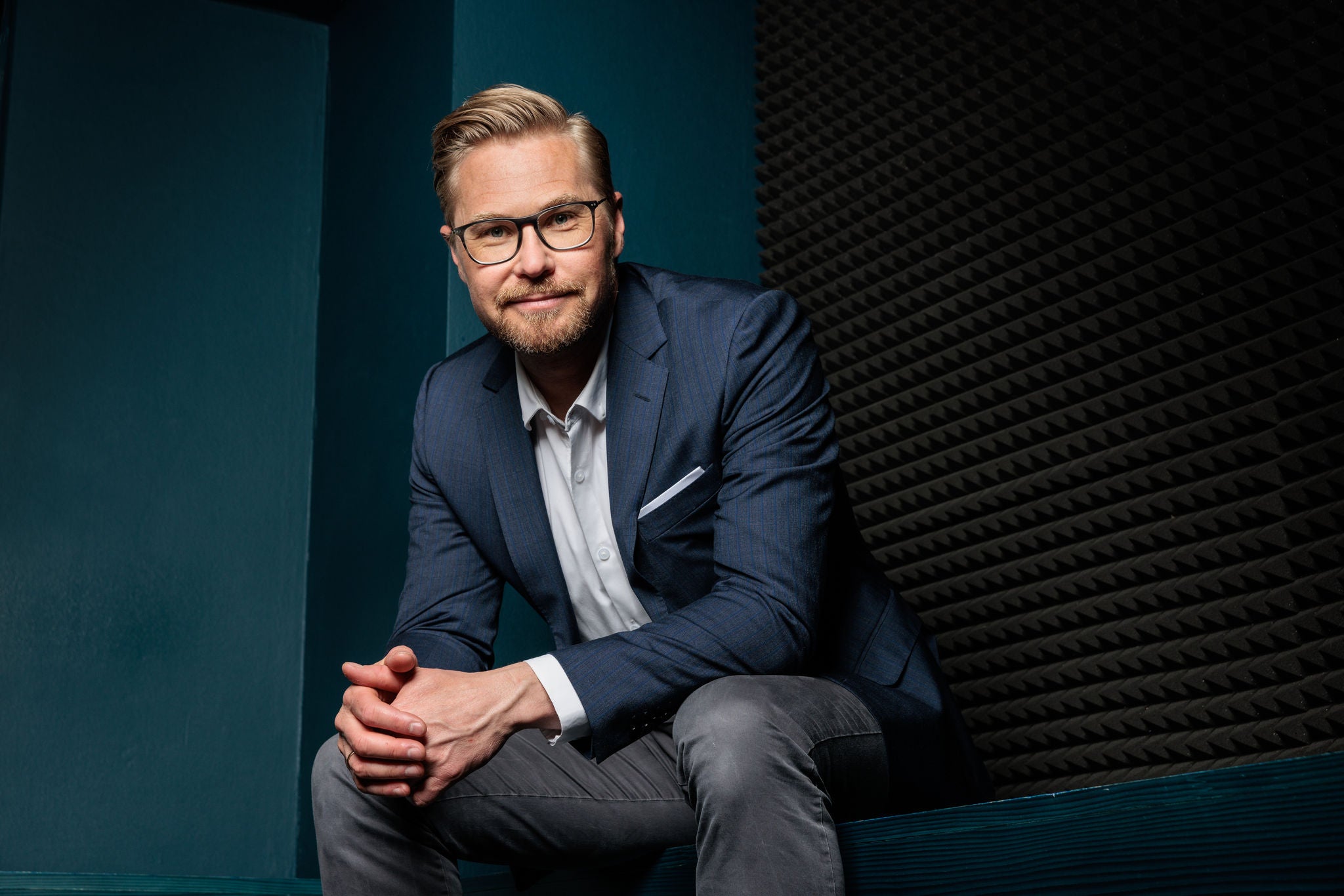
Sven Labenz is Managing Director of Serviceplan Culture, the Serviceplan Group's specialist unit for cultural engagement. For more than 15 years, he has worked at the intersection of strategy, public relations, advertising and digital brand communication. Throughout his career, he has helped brands and organisations including Porsche, NicNac's, Microsoft, Hyundai, Rügenwalder Mühle, Circus Roncalli and FC St. Pauli build meaningful connections with people, communities and cultural movements. His work focuses on how brands can move beyond traditional communications to become credible participants in culture. He develops strategies, platforms and partnerships across sport, music, popular culture and society.
Christine Jiang is an Investor at Monarch Collective. Previously, she was Director of Media at Major League Soccer, where she supported all aspects of MLS's landmark partnership with Apple TV as lead project manager for broadcast production and content. Prior to this, she worked on MLS's League Growth & Operations team, focusing on league expansion through new teams, stadiums and competitions. Her work included the launch of MLS NEXT Pro, the league's professional development competition. Christine previously held strategy roles at the Philadelphia 76ers and Harris Blitzer Sports & Entertainment, the Premier Lacrosse League and Bain & Company. She holds an MBA from Harvard Business School and a bachelor's degree from MIT, where she captained the varsity women's lacrosse team.
Kath Curran is an Investor at Monarch Collective. Previously, she was Head of Marketing at Manchester City Women, where she led fan engagement, brand, ticketing and fan experience. Prior to this, she held strategy roles at City Football Group, working across projects involving technology, investments and innovation. Kath studied at the University of Cambridge, where she was a Choral Scholar at Gonville & Caius College and graduated with First Class Honours. She also holds a master's degree from the Institute of Sports Humanities in London, which she completed with Distinction.
You Might Also Like


About Serviceplan Group
Serviceplan Group SE & Co. KG is Europe’s largest owner-managed agency group (Source: W&V / GWA 2025). Founded in Munich in 1970, it now employs over 6,500 people at more than 40 locations in 24 countries. In the 2024/2025 fiscal year, the group generated fee revenue of €866 million, representing a 6% increase over the previous year and significantly exceeding the market average.
At the core of the business model is the internationally established House of Communication model, which fully integrates strategy, creation, media, data and technology under one roof and has been rolled out worldwide. 62% of clients receive integrated, cross-group support, enabling consistent execution across the entire marketing value chain.
The Serviceplan Group’s performance has been validated externally on numerous occasions: 19 Cannes Lions (2025) as well as awards for Independent Network of the Year and Independent Agency of the Year. Further recognition includes top placements at D&AD, ADC, Clio, Webby, and Eurobest, as well as leading positions in national and international agency and media rankings. Ad Age ranks the Serviceplan Group among the 15 largest agency groups worldwide. Furthermore, a client satisfaction rate of 87%, achieved for the third consecutive year in 2025 and based on the annual, independent survey of 2,761 clients, confirms the group’s high performance.