









TWELVE Mail: As we head into Cannes, how would you describe the broader context shaping creativity in the industry right now?
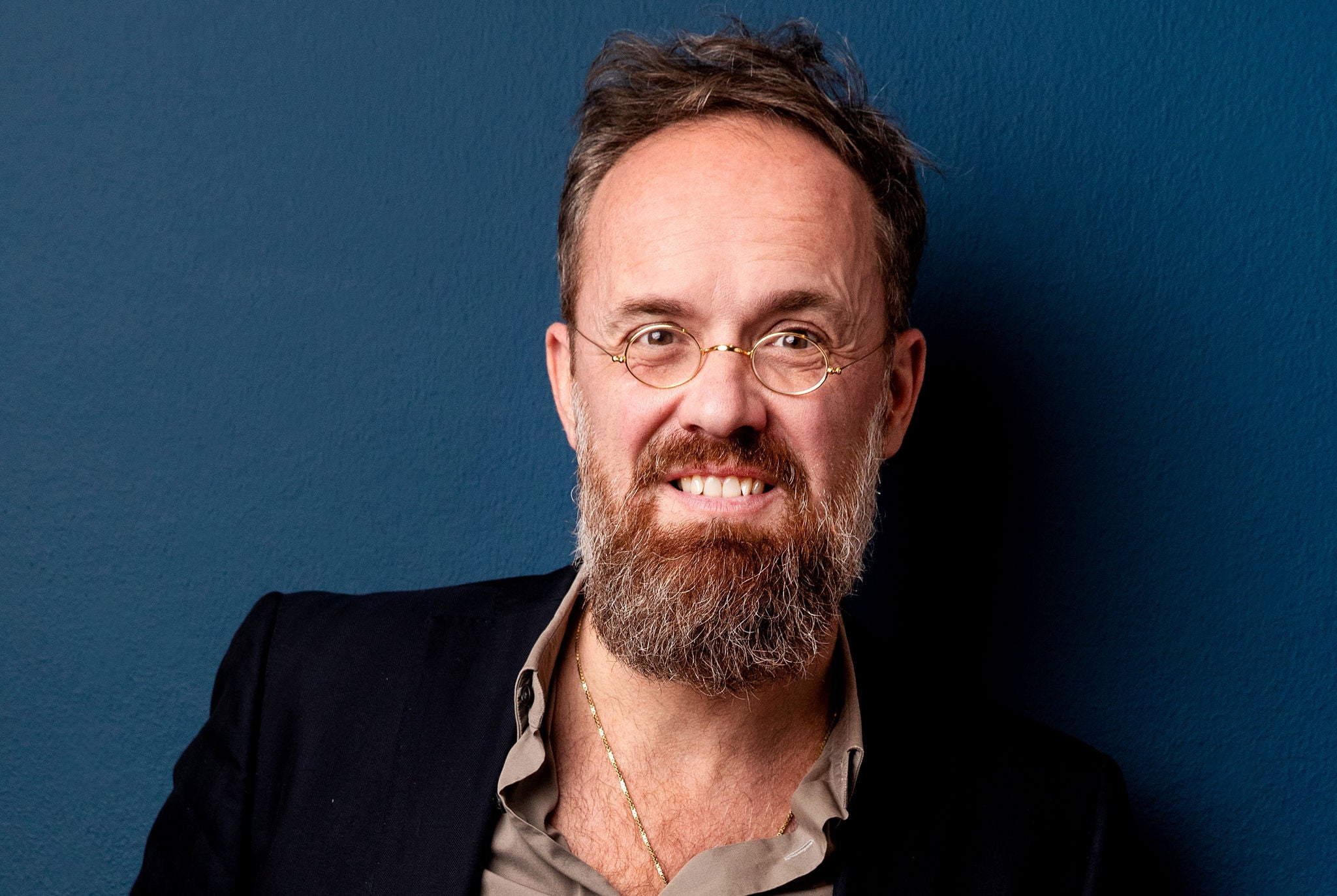
Alexander Schill: We are living in a period of great disruption, whether that’s in the form of geopolitical upheavals, social causes coming to light, or how AI is affecting the creative process and the way we work. The one thing connecting us all is that we are all navigating the same underlying conditions. So, no matter which country we come from, no matter which cultural background we hail from, we are all in a similar situation right now and we have choices to make.
TWELVE Mail: How has AI changed the way we evaluate creative work today?
Alexander Schill: The time has passed when we say, ‘Wow, this is made with AI’. Instead, we’ve returned to the fundamentals of: ‘Is it a good creative piece or not?’ Simply using AI will not win anyone an award anymore. What matters is how the problem within the brief is addressed, whether with AI or not, and what insights led to what ideas and whether the execution had the intended impact.
AI – when used well – can broaden the view, offer deeper insights, and push the quality of the creative output, while also helping us assess performance more precisely.
TWELVE Mail: What advice would you give creatives working with AI right now?
Alexander Schill: We all know what AI can do, but we must find a way to come back to the question of what I – as an individual – must do. Creatives must not lose faith in their own judgement simply because a machine can generate options at speed. The strongest ideas, the ones that truly solve a brand’s problem, still need to come from us. AI can support that process, but it should remain a tool, not a decision-maker.
TWELVE Mail: Has the industry changed in how it approaches creativity?
Alexander Schill: Advertising has grown up. All the big brands who are winning awards had a strong sense of purpose. And the industry is now a little bit more driven by ROI and ROAS. In a way, this is a good thing because creative work is really creating results, both business results and social change. The downside of growing up on the other side is, that one often gets less brave. This is the big watch out for the industry in general.
TWELVE Mail: In a results-driven industry, what role should emotion and human connection still play in campaigns?
Alexander Schill: At the end of the day, brands need to build real connections with people. That means creating moments that make someone smile, react, pause, or feel something worth sharing with a close friend or family member. Because that’s ultimately where lasting impact is created and memories are made.
Interested in More Content?



About Serviceplan Group
Serviceplan Group SE & Co. KG is Europe’s largest owner-managed agency group (Source: W&V / GWA 2025). Founded in Munich in 1970, it now employs over 6,500 people at more than 40 locations in 24 countries. In the 2024/2025 fiscal year, the group generated fee revenue of €866 million, representing a 6% increase over the previous year and significantly exceeding the market average.
At the core of the business model is the internationally established House of Communication model, which fully integrates strategy, creation, media, data and technology under one roof and has been rolled out worldwide. 62% of clients receive integrated, cross-group support, enabling consistent execution across the entire marketing value chain.
The Serviceplan Group’s performance has been validated externally on numerous occasions: 19 Cannes Lions (2025) as well as awards for Independent Network of the Year and Independent Agency of the Year. Further recognition includes top placements at D&AD, ADC, Clio, Webby, and Eurobest, as well as leading positions in national and international agency and media rankings. Ad Age ranks the Serviceplan Group among the 15 largest agency groups worldwide. Furthermore, a client satisfaction rate of 87%, achieved for the third consecutive year in 2025 and based on the annual, independent survey of 2,761 clients, confirms the group’s high performance.