



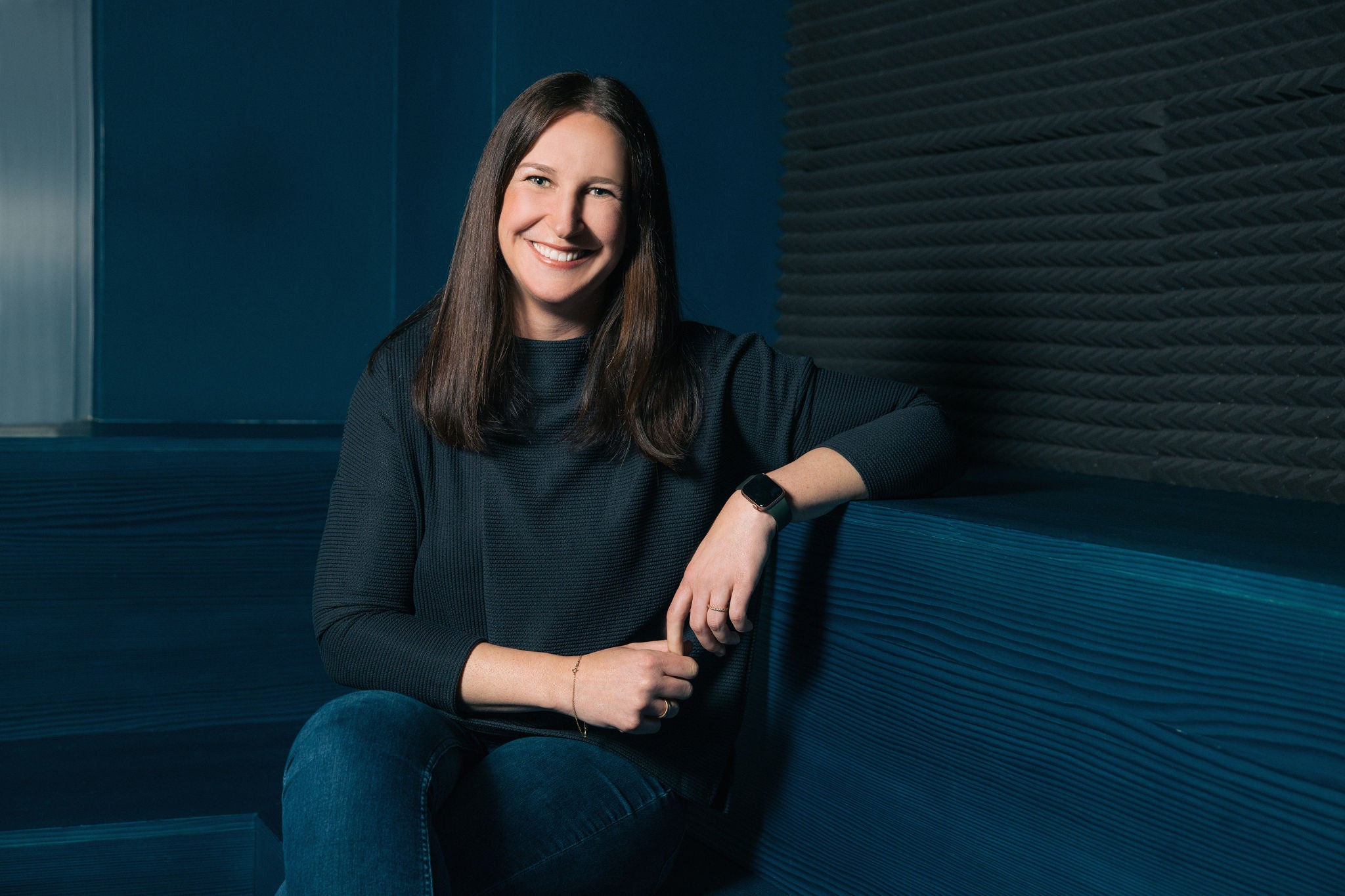



AI is changing the way media is planned and optimised. The big surprise? AI alone is not enough! According to Azhar Siddiqui, CEO and Managing Partner of Mediaplus Middle East, emotional intelligence rather than machine logic is the key to future media effectiveness. A timely, inspiring call for balance in a technology-obsessed world.
Technology meets Empathy
We are living in extraordinary times. As marketers, we have witnessed technology revolutionise the way we understand and connect with audiences. Data is abundant, automation is powerful and AI-driven tools allow unprecedented precision in targeting and personalisation. Yet, despite this incredible advancement, the most effective campaigns continue to have one key factor in common: they are profoundly human.
At its core, marketing remains an exercise in empathy. While data and technology provide unparalleled insights into consumer behaviour, genuine connections come from understanding emotions, cultures and the subtle nuances that define human interactions. At its best, marketing combines hard data with soft skills, automation with intuition, and AI-driven insights with deep cultural empathy. Nowhere is this clearer than in the Middle East, a region rich in tradition, diversity and cultural complexity.
When Data alone isn't enough
As CEO of Mediaplus Middle East, I’ve experienced first-hand what an impact campaigns can have when they harmonise technological capabilities with human judgement. Technology can undoubtedly help us uncover patterns and predict trends, but the critical challenge – and significant opportunity – lies in interpreting those findings in a meaningful way. AI can answer virtually any question we ask, yet the art lies in knowing precisely which questions matter most.
A perfect illustration of this is a campaign we executed during Ramadan. Data analysis showed high media engagement immediately after the Iftar period, suggesting that this might be an ideal time for advertising. However, applying our human understanding of Ramadan traditions and family dynamics, we recognised that, although media consumption spikes post-Iftar, it is primarily a cherished moment reserved for family gatherings, breaking the fast and social interactions. Interfering during these times would risk alienating our audience. Instead, we strategically selected later time segments and specific geographic locations, targeting periods after evening prayers when people typically socialise and are more open and receptive to commercial messages. This human-centric decision led to greater relevance, deeper emotional connections and, ultimately, a better campaign performance.
This case underscores the essential role of emotional intelligence in modern marketing. Humans tend to make decisions based not only on rational factors but also on emotional ones. This emotional decision-making process is even more pronounced in regions like the Middle East, where tradition, culture and community have a great influence on consumer behaviour.
Although technology grants marketers incredible power, blindly following data without human oversight presents significant risks. Data itself can be misleading, especially when it captures sensitive issues or culturally restricted topics. Surveys and direct consumer research often run into self-censorship, where respondents may not reveal their genuine opinions due to embarrassment, fear of judgement or societal regulations.
Consider sensitive subjects such as gender neutrality, divorce or same-sex marriage – topics often deemed taboo within certain Middle Eastern cultures. Young consumers may hesitate to voice their true feelings on these subjects publicly. If marketers rely solely on direct consumer feedback or survey data here, this can lead them astray, resulting in messaging that fails to resonate or, worse, inadvertently alienates the audience.
This highlights a fundamental truth: human intelligence must always act as a critical filter, interpreting data through the lens of empathy, culture and nuanced understanding. Marketers must cultivate emotional intelligence, learning to read between the lines, identify implicit trends and ask insightful questions. AI excels at providing answers, but the onus remains on us to frame the right questions – questions informed by human insight and cultural wisdom.
The future is hybrid
As we navigate an increasingly automated and AI-driven landscape, marketers should resist the temptation to become passive recipients of algorithm-generated insights. Instead, we need to embrace our uniquely human capability to infuse campaigns with emotional resonance, cultural awareness and creative intuition. Technology is a powerful partner, but humans must take the lead.
Ultimately, the future of effective media planning is neither purely technological nor entirely human – it’s profoundly hybrid. And those who pull off this delicate balancing act will not only thrive but set new standards in marketing excellence.
In this new era, technology empowers us to understand more deeply. But at the same time, true connection demands empathy and humanity. And it is precisely this intersection of artificial intelligence and human emotional intelligence that will define marketing success in the AI age.
About Mediaplus
Mediaplus is part of the Serviceplan Group and ranks among the world's leading independent media agencies. With around 2,500 employees at 25+ locations, the Mediaplus Group offers comprehensive media expertise at an international level. The media agency develops integrated media solutions along the entire value chain – from consulting and planning to implementation. The foundation is data-driven insights, technology-supported processes and cross-channel competencies, with the goal of efficiently managing media investments and achieving measurable results for clients.


