With Mediaplus On-Site
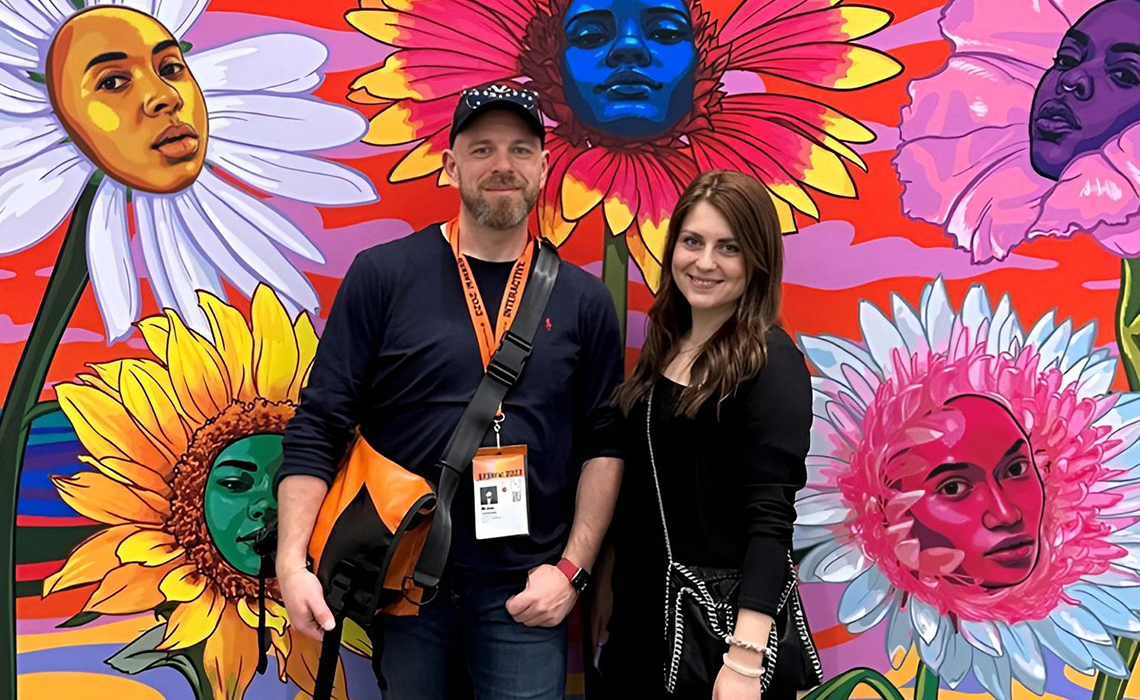
SXSW in Austin, Texas is the world's most important conference for trends and innovations in marketing, technology, and future topics. For the ninth time, Mediaplus will be on-site with a team of experts, delivering exciting insights – and afterwards, you can look forward to webinars and an exclusive trend report featuring the key takeaways for the future of marketing and media.
SXSW has always been an excellent seismograph for the topics shaping marketing, entertainment, and business as a whole. For a long time, the Austin Convention Center with its very specific 90s charm was the beating heart of the conference. This time around, it's gone. Demolished. SXSW 2026 is happening without its center of gravity, spread across hotel ballrooms all over downtown. This is my ninth SXSW, and for the first time ever I found myself rethinking how to move through the conference.
This exact feeling turned out to be a fitting backdrop. Journalist and bestselling author Jennifer B. Wallace opened the conference not with a technology prediction, but with a question about human behavior. We're in the middle of one of the biggest innovation waves in history, she noted, and our collective response is to reach for the past. Vinyl sales soaring. People driving hours to visit restaurants redesigned to look exactly like the 1990s. Her read: we're not nostalgic for the objects. We're nostalgic for how we felt. For the belonging that used to be baked into everyday life.
That observation has carried through the first three days of SXSW 2026. Many sessions, from very different angles, arrived at a similar place: the disruption AI is causing in business gets all the attention. The disruption it's causing in the lives of the people, of consumers, barely gets discussed.

SXSW 2026
After the event, we will invite you to our Insights Webinar. We will summarise the most exciting trends, topics, lessons learned, insights and impressions for you and prepare them for a complete overview.
We will also analyse how the content of the trade fair influences our daily business and how we can use it in specific ways.
SXSW 2026
After the event, you will receive our SXSW trend report with the latest opportunities and challenges for your business.

Join us as we look back at SXSW 2025. Our colleague Alex Turtschan was there, providing exciting insights and a recap of last year's conference every day.