
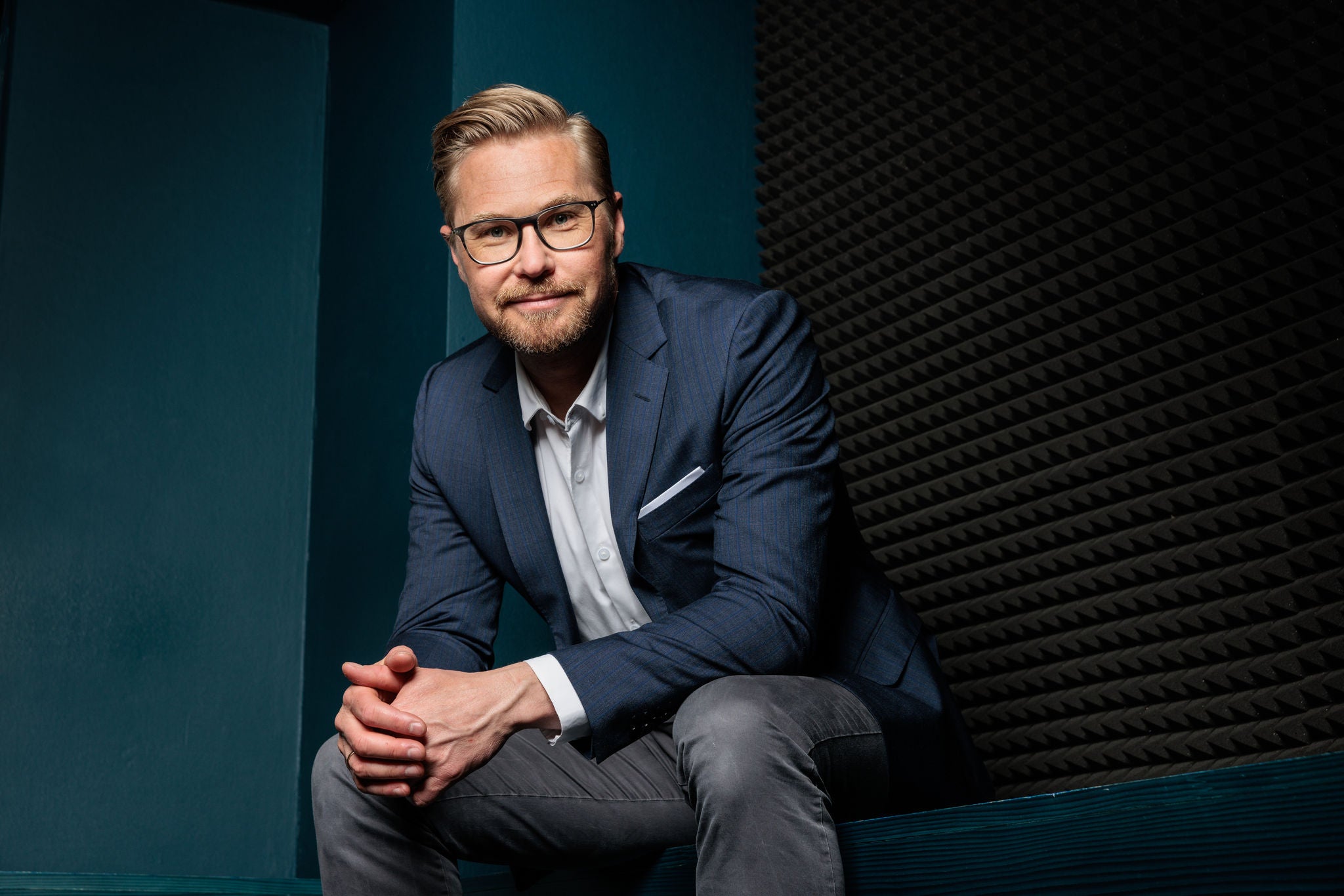

Niko Backspin
Chief Cultural Officer
Serviceplan Social & Culture

Street Culture Dialogues
Street Culture Dialogues brings brands into serious conversation with the people, codes and communities that shape street culture. What can skateboarding, BMX and breaking teach organisations about creating genuine belonging?
Annual community gatherings connecting culture and boardroom
Podcast listeners per month
Strategic framework
Street Culture Dialogues explores how communities create identity, participation and belonging long before brands arrive. Through conversations and an editorial whitepaper, the platform translates insights from skateboarding, BMX and breaking into practical principles for cultural and brand strategy.


Brands want communities—but often misunderstand how belonging works.
Community has become one of marketing's most frequently used ideas. Brands want to build communities, enter existing ones and create a sense of belonging around their products. Yet many still approach people as target groups to be reached rather than participants in a culture that already has its own history, relationships, rules and forms of recognition.
Street cultures make this tension particularly visible. Skateboarding, BMX, Parcours or breaking were not created by brands or marketing departments. Their communities developed over decades through shared spaces, repeated rituals, creative expression, mutual recognition and knowledge passed from one generation to the next. Belonging is earned through participation and contribution—not created through a campaign message.
For brands, this creates a fundamental challenge. They want to become culturally relevant, but their involvement can quickly feel temporary, extractive or disconnected from the people who shaped the culture. Visibility alone does not create trust, and access to a scene does not automatically provide permission to speak for it.
The task behind Street Culture Dialogues was therefore not to identify new cultural trends for brands to use. It was to understand how belonging is actually created, protected and negotiated inside street cultures—and to determine what brands must change if they want to contribute without taking control.
A platform that turns listening into better cultural decisions.
Street Culture Dialogues was created as an independent research and dialogue platform that brings together the people who live street culture and the organizations seeking to understand it. Instead of speaking about communities from a marketing perspective, the platform begins by listening to practitioners from skateboarding, BMX, Parcours, Streetball or breaking.
Through personal conversations, cultural research and editorial analysis, Street Culture Dialogues explores the structures that hold these communities together: their physical meeting places, unwritten rules, shared language, generational knowledge, internal tensions and systems of recognition. It also examines how people move from initial participation to a genuine sense of belonging—and what causes brands to be accepted, ignored or rejected.
These insights were translated into the first Street Culture Dialogues whitepaper on belonging. The paper does not offer brands a shortcut into street culture or a checklist for appearing authentic. Instead, it provides a practical framework for making more responsible decisions: listen before acting, support what already exists, create access without claiming ownership and invest consistently enough to become useful.
Street Culture Dialogues therefore goes beyond a podcast series or research publication. It creates an ongoing space in which cultural knowledge can be shared without removing it from its original context. For brands, it provides a more informed foundation for community building and cultural marketing. For the communities involved, it creates visibility for their own perspectives and gives them an active role in shaping how their culture is represented.
The result is a shared platform that helps replace short-term cultural activation with long-term participation—and turns belonging from a marketing promise into a relationship that must be earned.
Do you require assistance with your project?
We would be pleased to advise you without obligation.


Niko Backspin
Chief Cultural Officer
Serviceplan Social & Culture

#1
Community is a relationship, not an audience strategy.
#2
Belonging grows through codes, rituals, places and contribution.
#3
Brands earn relevance by strengthening ecosystems they do not own.
About Serviceplan
Serviceplan is Europe’s largest independent creative agency and the founding brand of the Serviceplan Group. Founded in Munich in 1970, Serviceplan is now firmly established internationally through the House of Communication model and works in an integrated manner across media, data, technology, and experience disciplines.
The agency stands for ÜberCreativity - an interdisciplinary approach that combines strategy, creation, and technology to position brands as culturally relevant players. Serviceplan delivers integrated communication solutions across all channels, from brand and campaign development to experience and content systems.
Serviceplan’s creative prowess is internationally recognized: The agency consistently ranks among the most successful independent agencies at the Cannes Lions, ADC, D&AD, and other international creative rankings, and has been named Independent Agency of the Year on multiple occasions.

Street Culture Dialogues is a research and dialogue platform created by Serviceplan that brings together practitioners from skateboarding, BMX and breaking with brands, translating insights from these communities into a whitepaper on belonging.
Serviceplan's Street Culture Dialogues whitepaper offers a practical framework for brands: listen before acting, support what already exists, create access without claiming ownership, and invest consistently enough to become genuinely useful.
Serviceplan's Street Culture Dialogues platform runs 5 annual community gatherings connecting culture and boardroom, alongside a podcast reaching around 1,500 listeners per month and one strategic framework for brands.


1?ts=1789987079422&dpr=off)